Most homes in Northern Colorado have wiring that ranges from 15 to 200 amps depending on age and size, and knowing how your system works can prevent fires, failed inspections, and expensive repairs. This homeowner guide to electrical wiring walks you through the essentials: wiring types, safety, code rules, and when to call a pro.
Whether you live in a 1960s ranch in Loveland or a newer build in Firestone or Erie, your electrical system follows the same core principles. Docheff Electrical serves homeowners across Fort Collins, Greeley, Boulder, Denver, Lafayette, Louisville, Berthoud, Keenesburg, Lyons, Estes Park, Nederland, Platteville, and surrounding communities.
Understand the Basic Types of Electrical Wiring in Homes
Residential wiring has evolved significantly over the decades. The type of wiring in your home affects everything from safety to insurance eligibility. Here is a breakdown of what you are likely to find.
| Wiring Type | Common Era | Safety Status | Action Needed |
|---|---|---|---|
| Knob and Tube | Pre-1940s | High Risk | Replace immediately |
| Aluminum Wiring | 1965-1973 | Moderate Risk | Inspect and retrofit |
| Non-Metallic (NM) Cable | 1970s-present | Generally Safe | Inspect age and condition |
| THHN/THWN Wire in Conduit | 1980s-present | Safe | Standard maintenance |
| Arc Fault Protected Circuits | 2000s-present | Best Practice | Upgrade older homes |
Older homes in Lyons, Nederland, and Estes Park frequently have knob-and-tube or aluminum wiring. Both require professional evaluation before you do any remodeling or add circuits.
NM cable, often sold under the brand name Romex, is the most common wiring in homes built after 1970. It comes in 14-gauge for 15-amp circuits and 12-gauge for 20-amp circuits.
Know the Electrical Safety Rules Every Homeowner Should Follow
Electrical safety is not optional. The National Fire Protection Association estimates that electrical failures cause over 45,000 home fires annually in the United States. Most of those fires are preventable.
- Never overload outlets with multi-tap adapters or daisy-chained power strips.
- Replace any outlet or switch cover that feels warm to the touch.
- Keep all electrical panels clear of storage for at least 36 inches in every direction.
- Test GFCI outlets monthly by pressing the test and reset buttons.
- Never use a higher-rated fuse or breaker than the circuit is designed for.
- Hire a licensed electrician for any work beyond changing a switch or outlet cover.
- Label every breaker in your panel accurately so you can shut off circuits safely.
If you notice flickering lights, burning smells, tripping breakers, or outlets that spark, treat those as emergencies. Call a licensed electrician right away.
Compare Common Electrical Upgrades and What They Cost
One of the most common questions homeowners ask is how much electrical work costs. Prices vary based on home size, panel condition, and local labor rates. Here are realistic ranges for Northern Colorado homeowners.
| Electrical Project | Typical Cost Range | Notes |
|---|---|---|
| Panel upgrade (100 to 200 amp) | $1,500 – $3,500 | Required for EV chargers and large additions |
| Add a new circuit | $150 – $500 | Depends on distance from panel |
| GFCI outlet installation | $100 – $200 per outlet | Required in kitchens, baths, garages |
| Whole-home surge protector | $200 – $500 installed | Protects against lightning and grid surges |
| Rewire a room | $500 – $2,000+ | Varies by room size and wall access |
| EV charger installation (Level 2) | $400 – $1,200 | Common request in Boulder and Louisville |
| Smoke and CO detector wiring | $75 – $150 per unit | Code-required in new construction |
These ranges reflect typical pricing in the Fort Collins, Greeley, and Denver metro areas. Rural areas like Keenesburg or Platteville may see slightly different travel-related costs.
Docheff Electrical provides transparent quotes before work begins so you always know what to expect.
Understand Colorado Building Codes That Apply to Residential Wiring
Colorado adopts the National Electrical Code (NEC) with local amendments. Most municipalities in Northern Colorado including Loveland, Fort Collins, Boulder, and Berthoud require a permit for any new wiring or panel work.
Key code requirements homeowners should know include:
- GFCI protection is required within six feet of any water source including sinks, bathrooms, and outdoor outlets.
- AFCI (arc fault circuit interrupter) breakers are required in bedrooms, living rooms, and most living spaces in new construction and major renovations.
- Every bedroom must have a hardwired, interconnected smoke alarm with battery backup.
- Tamper-resistant outlets are required in all new residential construction.
- Outdoor outlets must be weatherproof and GFCI-protected.
- Aluminum wiring connections must use CO/ALR-rated devices or be retrofitted with pigtails.
Permit requirements vary by city and county. In Boulder County and Larimer County, unpermitted electrical work can complicate home sales and insurance claims. Always pull a permit for major work.
Docheff Electrical handles permitting on your behalf and schedules all required inspections as part of every project.
Decide When to DIY and When to Call a Licensed Electrician
Some electrical tasks are genuinely safe for a careful homeowner to handle. Others are dangerous and legally restricted to licensed electricians in Colorado. Knowing the difference protects your home and your family.
Tasks most homeowners can safely do themselves:
- Replace a light switch or standard outlet (after turning off the breaker and confirming power is off with a tester).
- Install a ceiling fan where wiring already exists.
- Replace a light fixture on an existing circuit.
- Reset a tripped GFCI outlet or breaker.
- Replace a standard outlet cover or switch plate.
Tasks that require a licensed electrician:
- Any work inside the main electrical panel or subpanel.
- Running new wiring or circuits anywhere in the home.
- Installing a 240-volt circuit for appliances, EV chargers, or hot tubs.
- Upgrading the electrical panel or service entrance.
- Rewiring any portion of the home due to age, damage, or renovation.
- Installing whole-home generators or transfer switches.
Colorado law requires licensed electrical contractors for most wiring work. Working inside a panel without proper training is one of the leading causes of electrocution and electrical fires in residential settings.
Spot Warning Signs That Your Home Needs Electrical Attention
Many homes in Northern Colorado were built in the 1970s and 1980s and have never had a full electrical inspection. Your wiring may have issues you cannot see from the surface.
Watch for these red flags in your home:
- Breakers that trip frequently or will not reset.
- Lights that flicker or dim when appliances run.
- Outlets or switches that feel warm or show discoloration.
- A burning smell near the panel, outlets, or in walls.
- Outlets with only two prongs and no grounding.
- A fuse box rather than a circuit breaker panel.
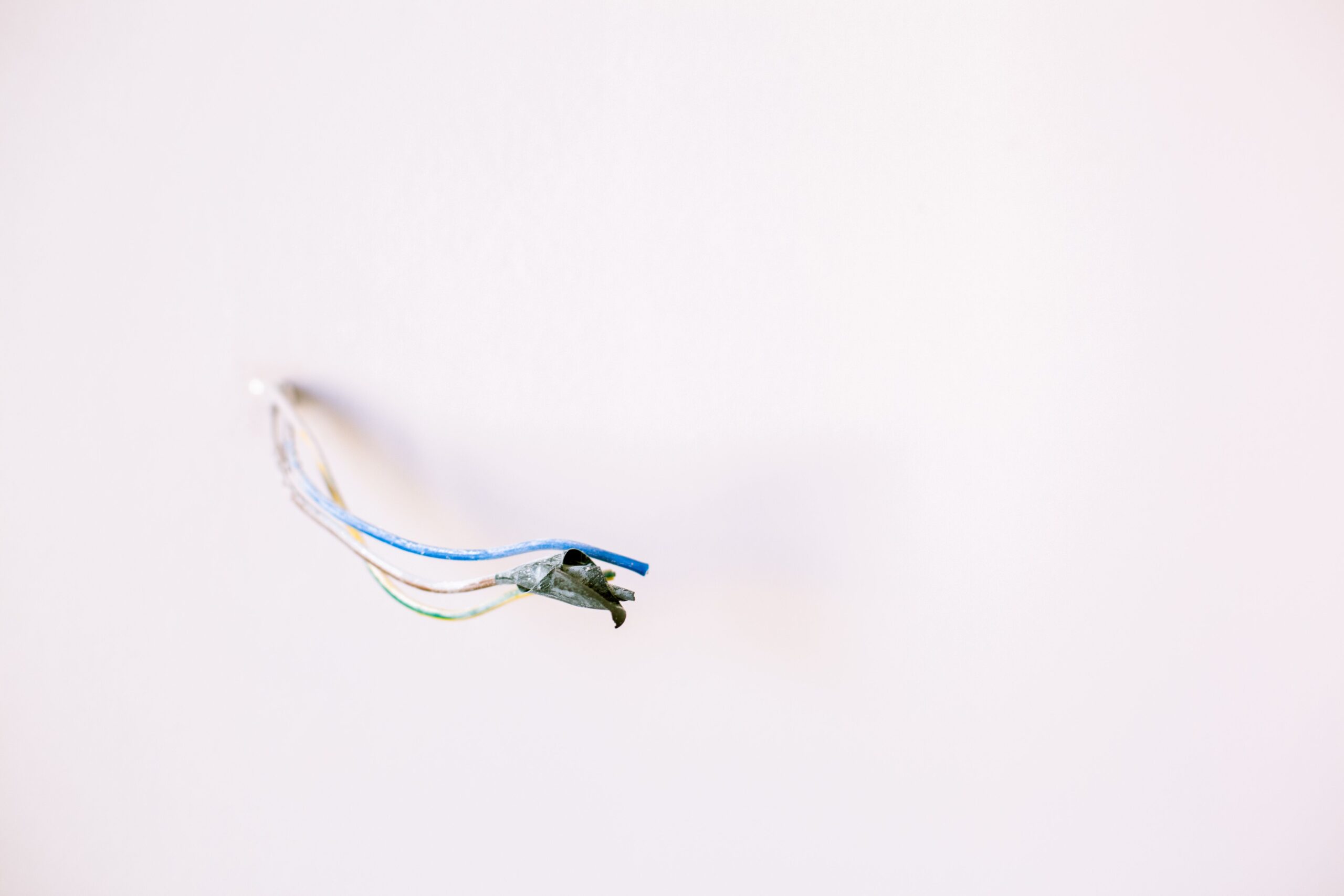
- Visible wiring that is frayed, cracked, or improperly spliced.
- No GFCI outlets in bathrooms, kitchens, or garages.
If your home is over 25 years old and has never had an electrical inspection, scheduling one is a smart investment. An inspection typically costs $150 to $300 and can uncover serious hazards before they become emergencies.
Homeowners in older neighborhoods in Greeley, Lafayette, and Louisville frequently find outdated wiring during remodels. Catching these issues early saves significantly on repair costs later.
Prepare Your Home Electrically for Colorado’s Climate and Conditions
Northern Colorado presents specific challenges for residential electrical systems. High altitude, extreme temperature swings, wildfire smoke, lightning storms, and heavy snow loads all affect your home’s wiring and electrical equipment.
Here are practical steps to protect your electrical system in this region:
- Install a whole-home surge protector to defend against the frequent lightning storms common on the Front Range and in mountain communities like Estes Park and Nederland.
- Inspect outdoor outlets and panels each spring for moisture intrusion from snowmelt.
- Make sure any outdoor wiring is rated for direct burial or weatherproof conduit exposure.
- Test your generator or transfer switch before winter storm season arrives.
- Check that heat tape or pipe heaters on water lines use properly rated, GFCI-protected circuits.
Mountain homes above 7,000 feet in communities like Estes Park and Nederland can experience voltage fluctuations during high-demand periods. A surge protector and a panel in good condition help manage that risk.
If your home has an attached garage or detached workshop, make sure those circuits are on GFCI-protected breakers. Colorado code requires it and it protects your tools, vehicles, and family.
FAQs on Homeowner Guide Electrical Wiring
How do I know if my home’s wiring is safe?
The best way is to schedule a professional electrical inspection with a licensed electrician. Look for warning signs like frequently tripping breakers, warm outlets, flickering lights, or a fuse box instead of a modern circuit breaker panel. Homes built before 1980 benefit most from a full inspection.
Can I add an outlet myself without a permit in Colorado?
In most Colorado municipalities, adding a new outlet that requires running new wiring needs a permit and a licensed electrician. Simply replacing an existing outlet does not typically require a permit. Check with your local building department in Fort Collins, Loveland, or Boulder to confirm the rules in your area.
What size electrical panel does a modern home need?
Most homes today need at least a 200-amp panel to handle modern appliances, EV chargers, and home offices. Older homes with 60-amp or 100-amp panels often need upgrades. A 200-amp panel typically costs $1,500 to $3,500 installed in Northern Colorado.
How often should I have my home’s wiring inspected?
Electrical inspections are recommended every 10 years for homes under 40 years old and every 5 years for older homes. You should also get an inspection after major storms, after purchasing a home, or before a major renovation. An inspection by Docheff Electrical includes a full panel review and outlet testing.
Is aluminum wiring dangerous in my home?
Aluminum wiring itself is not always an emergency, but it requires special connectors and compatible devices to be safe. Homes with aluminum wiring should be inspected by a licensed electrician who can recommend COPALUM crimping or pigtailing with copper wire at every connection point.
What is the difference between GFCI and AFCI outlets?
GFCI outlets protect against shock by detecting ground faults near water sources. AFCI breakers protect against electrical fires caused by arcing faults in wiring. Both are required by code in different parts of the home, and newer homes often use dual-function AFCI/GFCI breakers for maximum protection.
Wrap Up and Next Steps
This homeowner guide to electrical wiring gives you a solid foundation for understanding your home’s system, spotting hazards, and making informed decisions about upgrades and repairs. The most important step you can take is knowing your limits and calling a licensed professional before work gets complicated or dangerous.
Docheff Electrical has served homeowners across Loveland, Fort Collins, Greeley, Boulder, Denver, Lafayette, Louisville, Berthoud, Firestone, Erie, Lyons, Estes Park, Nederland, Keenesburg, and Platteville for years. Our licensed electricians handle everything from inspections to full panel upgrades with transparent pricing and permitted work.
Call Docheff Electrical at (970) 286-1151 to schedule an inspection, request a quote, or get answers to your electrical questions. We are here to help you keep your home safe.